Beat-In Disc
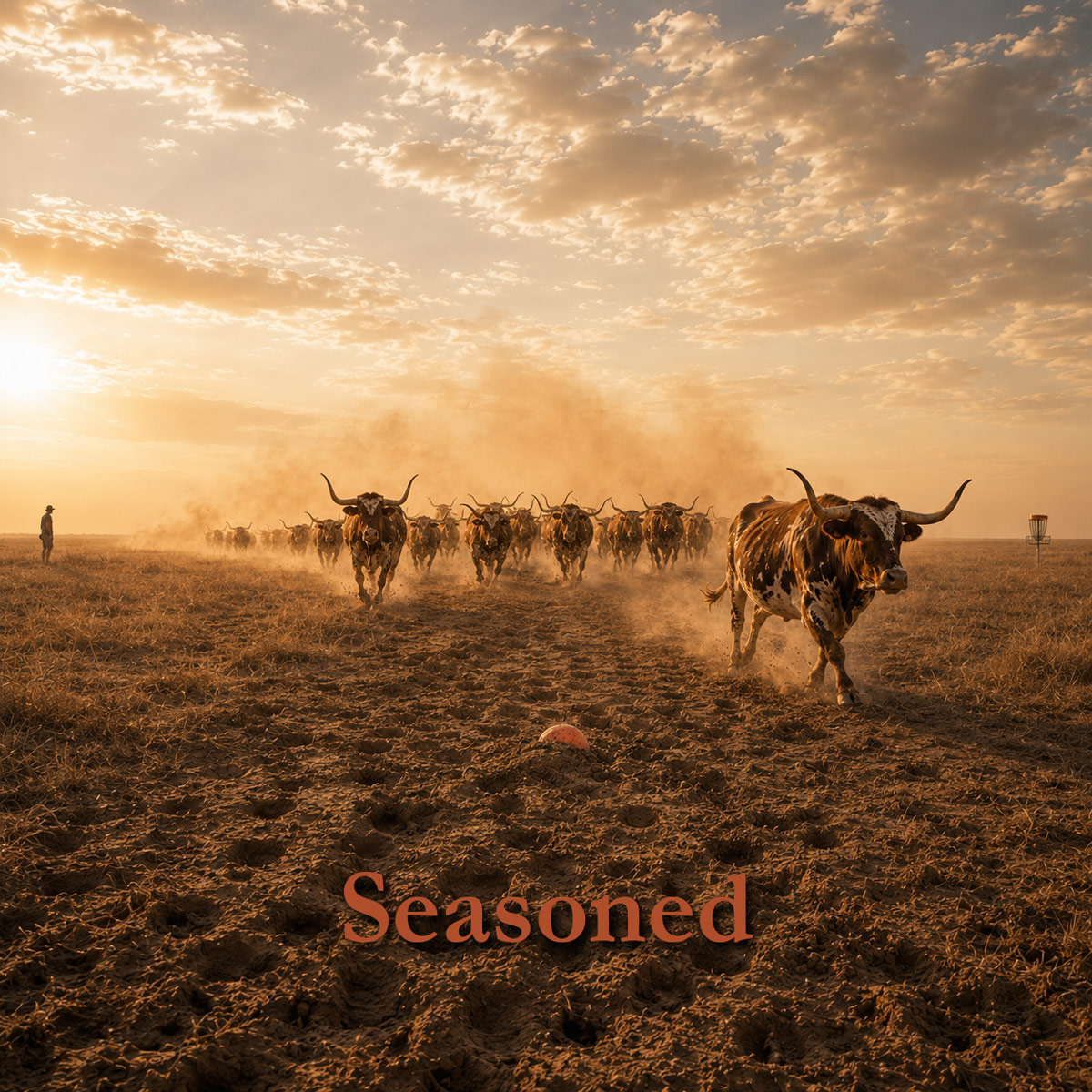
Definition: A beat-in disc (also referred to as a seasoned disc) is a disc whose flight characteristics have changed through repeated use, impacts, scuffs, bending, and normal wear. As a disc becomes beat in, it shifts from overstability toward understability. A beat-in disc may turn more readily, resist fading as strongly, or fly straighter at lower speeds. The amount and effect of wear depend on the disc’s plastic, mold, stability, age, and the severity of the impacts it has sustained.
Why It Matters: A beat-in disc provides useful flight paths that a new disc of the same mold does not produce. Players often carry several copies of a familiar mold in different stages of wear, allowing them to throw similar-feeling discs for overstable, straight, and understable shots. A seasoned disc may become especially valuable for turnovers, hyzer flips, straight approaches, and low-power throws. However, continued wear can eventually make the disc too understable or unpredictable.
Term Observations:
- A disc usually beats in more quickly when made from baseline plastic than when made from premium plastic.
- Repeated tree strikes, hard landings, and rough surfaces can accelerate the beat-in process.
- A beat-in disc is not necessarily damaged or unusable; its changed flight may make it more useful.
- Players often develop trust in a well-seasoned disc because its flight has become familiar and predictable.
- A beat-in overstable disc may gradually become straight-flying, while a neutral disc may become understable.
- Disc golfers sometimes intentionally “cycle” several discs of the same mold at different stages of wear to always have one ready with the stability desired.
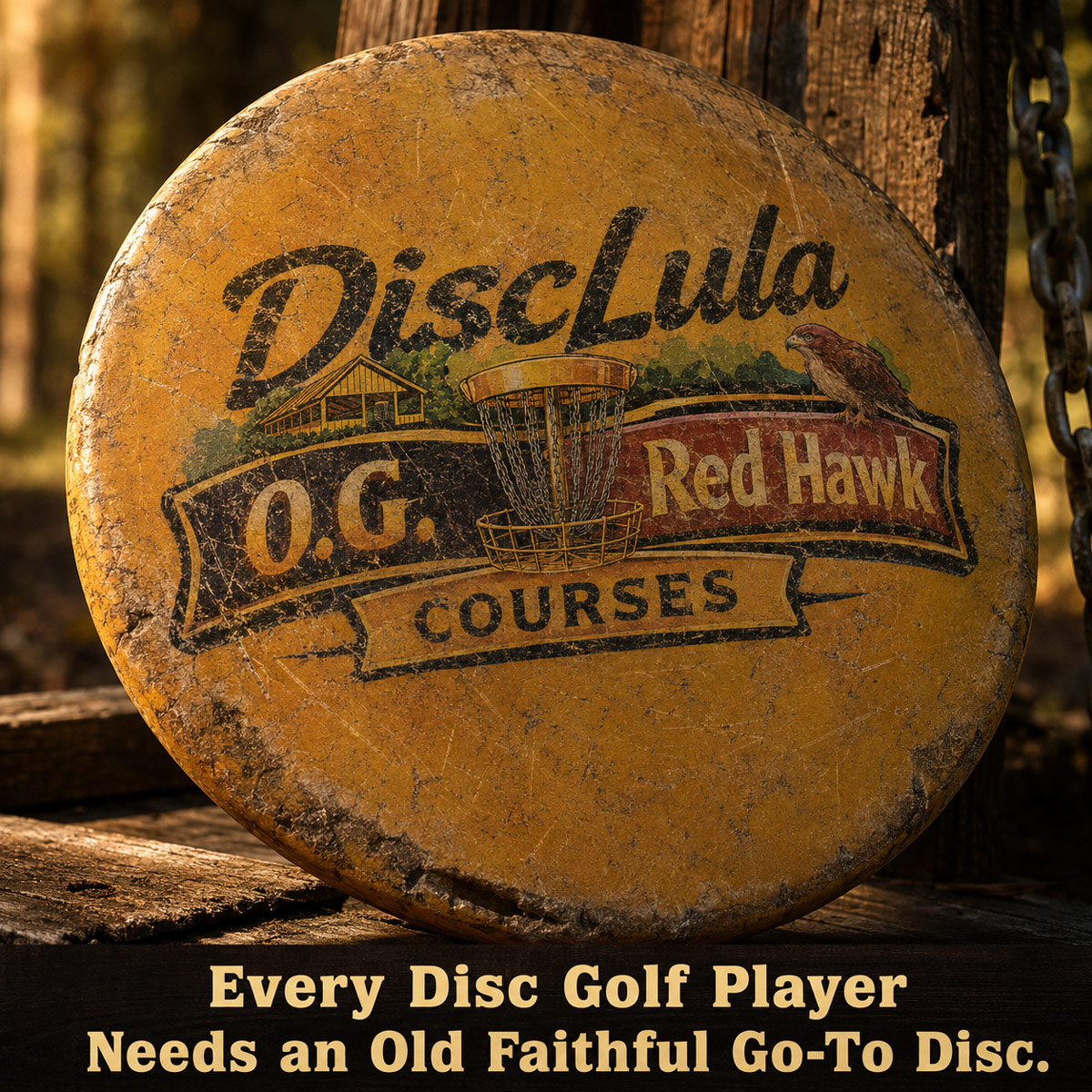
- An old, reliable beat-in disc is sometimes described as a player’s “Old Faithful” or go-to disc.
© 2026 North Georgia Canopy Tour Property, LLC d/b/a DiscLula. All rights reserved.